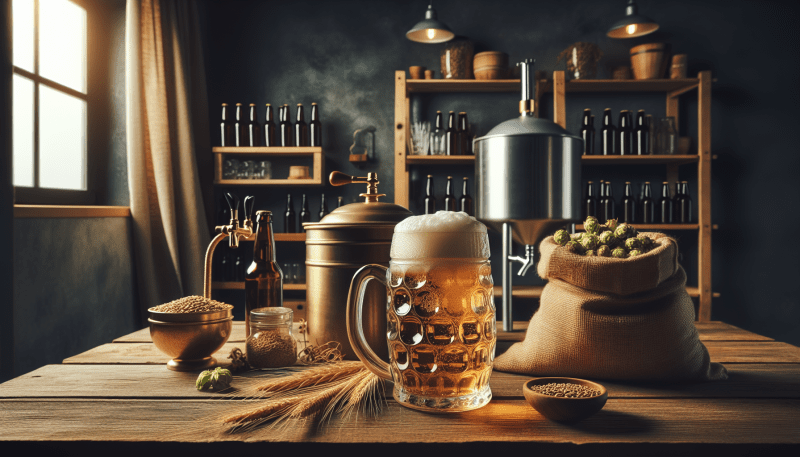
Getting into home brewing is super exciting, but you'll want to have the right tools to make your beer come out just right. Luckily, you don’t need a ton of fancy equipment to start brewing your own beer at home. Here are the essentials you should pick up:
1. Brew Kettle: This is where the magic starts. A good brew kettle lets you boil your wort and mix in hops. Look for a size around 5 gallons; it’s a perfect starter size. Stainless steel is a great option because it’s durable and easy to clean.
2. Fermenter: After brewing, you’ll transfer your wort into a fermentation vessel. A glass carboy or a food-grade plastic bucket with an airlock works well. This is crucial because it allows your beer to ferment without letting in unwanted bacteria.
3. Sanitizer: Keeping everything clean is a big deal in brewing. You’ll want a good no-rinse sanitizer to ensure all your tools are clean and ready to go. This step can make or break your brew, so don’t skip it!
4. Thermometer and Hydrometer: Precision is key. A thermometer helps you keep track of boiling and fermentation temperatures, while a hydrometer measures the specific gravity of your wort. These tools help ensure your brew turns out just right.
Invest a little in these essentials, and you’ll be well on your way to brewing some fantastic beer in no time. Remember, it’s all about having fun and experimenting!
Easy Recipes for Beginners
Getting started with home brewing is a lot of fun, and you'll be surprised at how easy some recipes can be. You don’t need to be a master brewer right off the bat. Here are a few easy recipes that'll get you brewing like a pro in no time.
One of the simplest recipes is the American Pale Ale. You just need some malt extract, hops, and a little yeast. Here’s how to do it:
If you’re craving something a little different, try a Belgian Witbier. It’s light, refreshing, and super easy:
For those looking for something unique, give a Honey Ale a shot. It adds a sweet twist to your average beer:
These recipes are perfect to kick off your brewing journey. Each one offers a fantastic flavor twist while keeping the process straightforward. Grab your ingredients and get brewing!
Tips for Perfecting Your Brew
Want to take your home brewing game to the next level? Here are some quick tips to help you brew a winner every time.
First off, clean everything. Seriously, sanitation is key! Make sure all your equipment is spotless before you start. Even a tiny speck of dirt can mess with your brew, so take the time to scrub and sanitize. It’ll save you a lot of headaches later.
Next, pay attention to your ingredients. Quality matters! Choose fresh grains, hops, and yeast. The better the ingredients, the better your beer. Don't be afraid to experiment with different flavors. Throw in some fruit or spices for a unique twist.
Temperature control is a big deal too. Keep an eye on how hot or cold things get during brewing and fermentation. If the temperature is off, your yeast might not do its job right. Aim for the ideal range for your yeast, and you'll see a big difference.
Lastly, be patient! Good things take time. Let your beer ferment for the suggested amount of time, and give it a chance to mature. It might be hard to wait, but trust us, the end result will be worth it!
Common Mistakes to Avoid
Starting your home brewing adventure can be a blast, but there are some common mistakes that can take the fun out of it. Let’s go over a few pitfalls so you can brew like a pro from day one!
First off, don’t skip sanitizing your equipment. This is like the golden rule of brewing. If you don’t keep everything spotless, you risk ruining your beer with unwanted bacteria. A good soak in a sanitizing solution goes a long way. Remember, cleanliness is key!
Another mistake is not paying attention to your temperatures. Whether it’s the water temperature for your mash or fermentation, each step needs the right heat. Too hot or too cold can mess with flavors and how well your yeast performs. Invest in a good thermometer to keep this in check.
Also, don’t rush the fermentation process. It can be tempting to want to drink your beer as soon as possible, but patience pays off. Give your brew enough time to ferment and mature. You’ll be rewarded with a much better flavor.
Lastly, don’t forget to take notes! Writing down your process helps you remember what worked and what didn’t. Each batch is a learning experience. With notes in hand, you can tweak your recipes and improve your brewing skills!